Electric vehicles are officially mainstream. In 2024, global EV sales surpassed 17 million units — roughly one in five new cars sold worldwide, according to the International Energy Agency. In the United States alone, EV registrations hit 1.4 million, a 45% jump from 2022. Yet for most buyers, the decision to go electric still feels like a leap of faith, largely because the advertised savings rarely tell the complete financial story.
This guide cuts through the marketing. We'll look at real ownership numbers, sourced from vehicle data agencies, insurance reports, and energy cost studies — not dealer brochures.
The Purchase Price Gap Is Closing — But Not Gone
The most common barrier to EV adoption remains upfront cost. The average transaction price for a new electric vehicle in the U.S. in early 2025 sits around $52,000, compared to roughly $48,000 for a comparable internal combustion engine (ICE) vehicle. However, federal tax credits under the Inflation Reduction Act can reduce that gap by up to $7,500 for qualifying buyers and vehicles.
The result: after incentives, a mid-range EV like the Tesla Model 3 ($42,990 base) or Chevrolet Equinox EV ($34,995) can reach near-parity with ICE equivalents. Budget EVs from brands like BYD and MG (available in Europe and Asia) already undercut many petrol counterparts on sticker price.
💡 Key Incentive Reminder
The U.S. federal EV tax credit applies at point of sale (not as a tax return) from January 2024 onward. Income caps apply: $150,000 for individuals, $300,000 for joint filers. Vehicle MSRP must be under $55,000 for sedans and $80,000 for SUVs and trucks.
Fuel & Charging: The Savings Are Real, But Variable
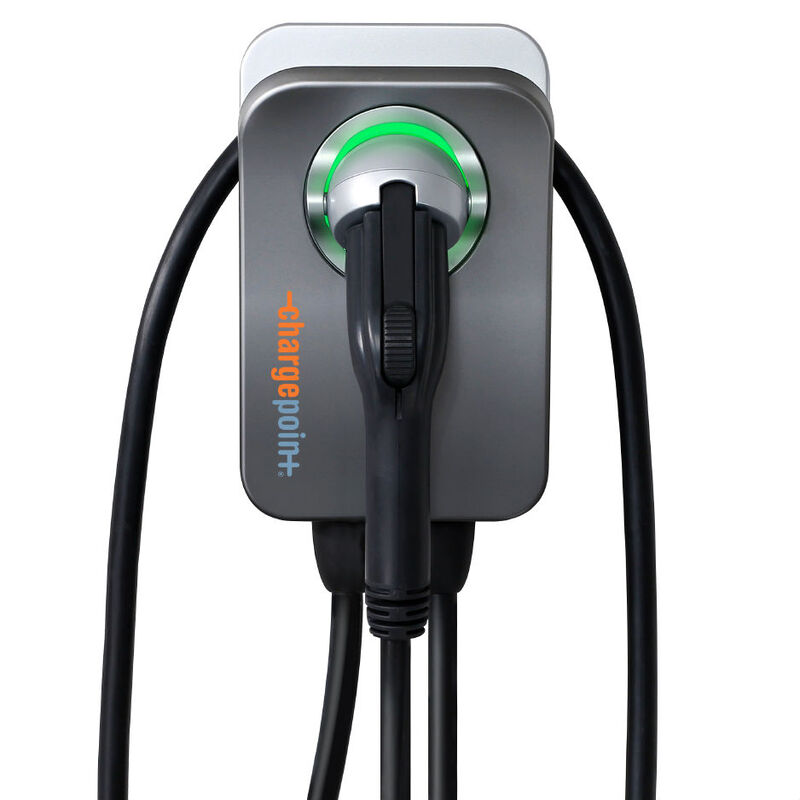
Here's where EVs genuinely shine. The U.S. Department of Energy estimates the average cost to drive an EV 100 miles is roughly $3.50–$5.00 on home electricity (at national average rates of ~$0.16/kWh), versus $12–$16 for a 30 MPG gasoline car at $4/gallon. That's a potential saving of $1,500–$2,500 per year for a driver doing 15,000 miles annually.
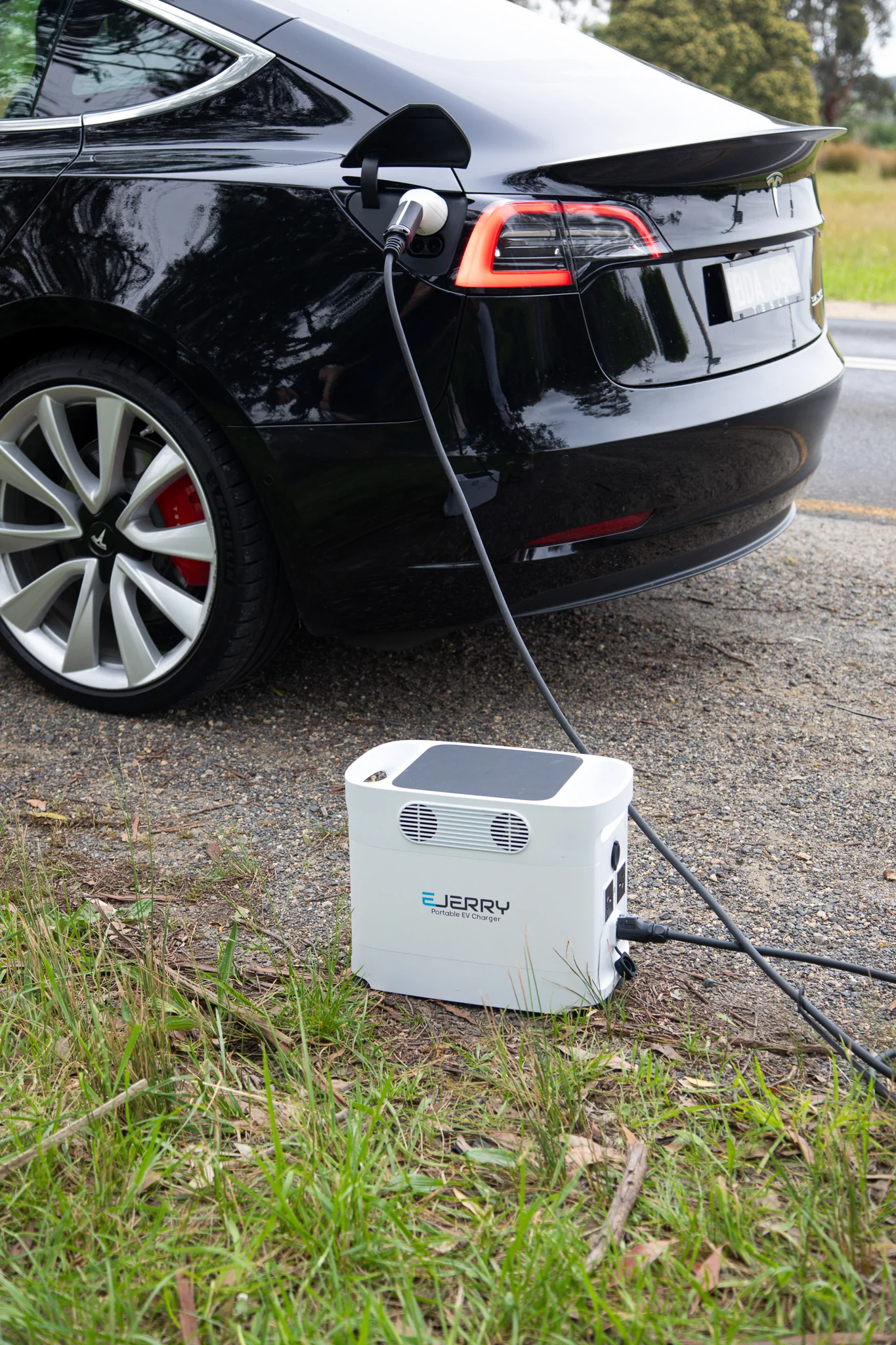
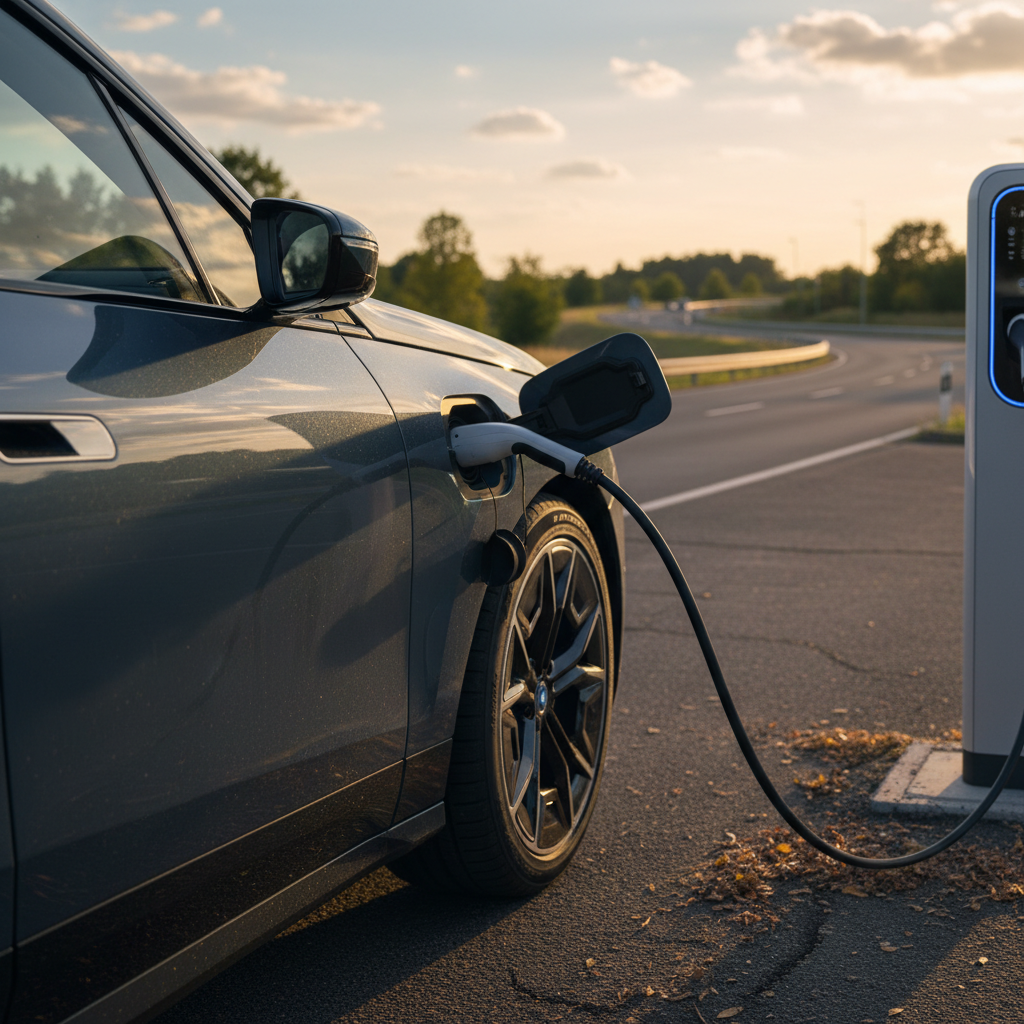
The caveat? Public DC fast charging erases much of that advantage. Charging on networks like Electrify America or EVgo at peak rates can cost as much as gasoline per mile. If you live in an apartment without home charging access, the math changes significantly.
"For drivers who charge primarily at home overnight, electric vehicles offer the cheapest per-mile fuel cost of any powertrain available in 2025 — often 60–70% less than gasoline."
Maintenance: A Clear Win for Electric
No oil changes. No timing belts. No exhaust system repairs. The Consumer Reports annual auto reliability survey consistently shows EVs have 40% fewer scheduled maintenance items than ICE vehicles over a 5-year ownership period. The average EV owner spends roughly $900/year on maintenance vs. $1,400/year for a traditional car owner.
The primary maintenance items for EVs are: tire rotation and replacement (EVs are heavier, wearing tires faster), cabin air filter changes, brake fluid (though regenerative braking extends brake pad life significantly), and software updates — most of which are handled over-the-air at no cost.

Insurance: The Unexpected Expense
This is where many EV buyers are caught off guard. Electric vehicles cost significantly more to insure — on average 25–40% more than equivalent ICE vehicles, according to Bankrate's 2024 insurance analysis. The reasons are structural: higher repair costs due to specialized technicians, expensive sensors and cameras, the cost of battery diagnostics, and limited repair network availability.
| Vehicle | Annual Insurance Avg. | vs. ICE Equivalent |
|---|---|---|
| Tesla Model 3 | $2,280 | +38% |
| Ford Mustang Mach-E | $1,950 | +22% |
| Chevrolet Equinox EV | $1,720 | +18% |
| Hyundai IONIQ 6 | $1,680 | +14% |
| BYD Atto 3 (EU) | €1,240 | +11% |
Battery Degradation: Less Scary Than You Think
Battery health anxiety remains a major concern for prospective EV buyers. The reality in 2025 is more reassuring than five years ago. Modern lithium-ion battery packs, particularly those using LFP (lithium iron phosphate) chemistry found in base-model Teslas and most Chinese EVs, show excellent longevity — real-world data from Recurrent Auto shows median degradation of just 3.4% after 50,000 miles.
Most manufacturers now offer battery warranties of 8 years / 100,000 miles guaranteeing at least 70% capacity retention. In practice, the majority of batteries exceed this by a significant margin. Factors that harm batteries — regular DC fast charging, parking in extreme heat without climate management, and consistent 100% charging — are all manageable with modern charging apps and vehicle software.
5-Year Total Cost Comparison
| Cost Category | EV (Model 3 RWD) | ICE (BMW 330i) |
|---|---|---|
| Purchase (after incentives) | $36,490 | $44,200 |
| Fuel / Charging (5yr) | $3,500 | $11,200 |
| Maintenance (5yr) | $4,500 | $7,000 |
| Insurance (5yr) | $11,400 | $8,200 |
| Home Charger Install | $1,200 | $0 |
| 5-Year Total | $57,090 | $70,600 |
The 5-year ownership advantage for the EV is clear: approximately $13,500 in savings — even accounting for higher insurance and home charger installation. That gap widens in states with higher gas prices, or if you're charging at home on a cheaper overnight electricity tariff.
Resale Value: A Story in Transition
EV resale values have been volatile. Tesla's aggressive price cuts in 2023–2024 hurt used market values for many EVs. However, as the used EV market matures and buyers become more confident in battery longevity, residual values are stabilizing. Edmunds data from Q1 2025 shows used EVs in the 2–4 year range retaining roughly 52–58% of MSRP, comparable to ICE vehicles in the same segment.
Outliers exist: premium EVs from Porsche (Taycan) and Hyundai (IONIQ 5/6) have held value exceptionally well, while some early-generation budget EVs have depreciated faster. Brand reputation for software updates and longevity increasingly drives residuals.
The Bottom Line
Buying an EV in 2025 makes strong financial sense if you have home charging access, qualify for tax incentives, and plan to own the vehicle for at least 4–5 years. The fuel and maintenance savings are real and significant. The higher insurance costs and potential charging infrastructure limitations are real too — and often underestimated.
The worst scenario for an EV buyer is relying exclusively on public fast charging. The best scenario is a driver with a home charger, access to incentives, and an annual mileage above 12,000 miles — for whom the EV can genuinely be both the greener and cheaper choice.